By Zayn Rashid
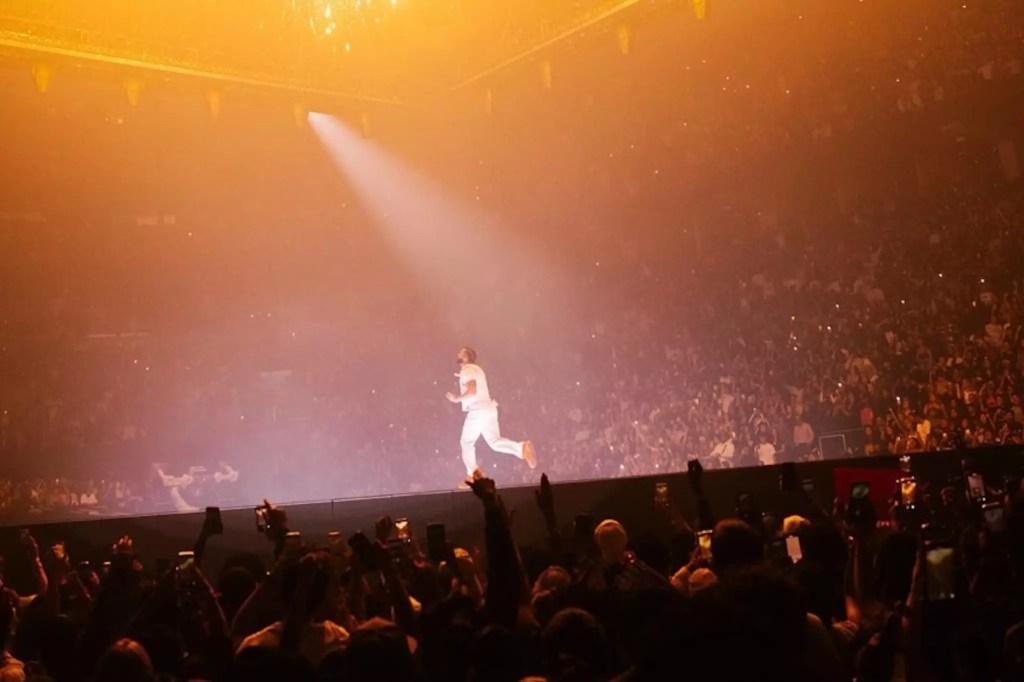
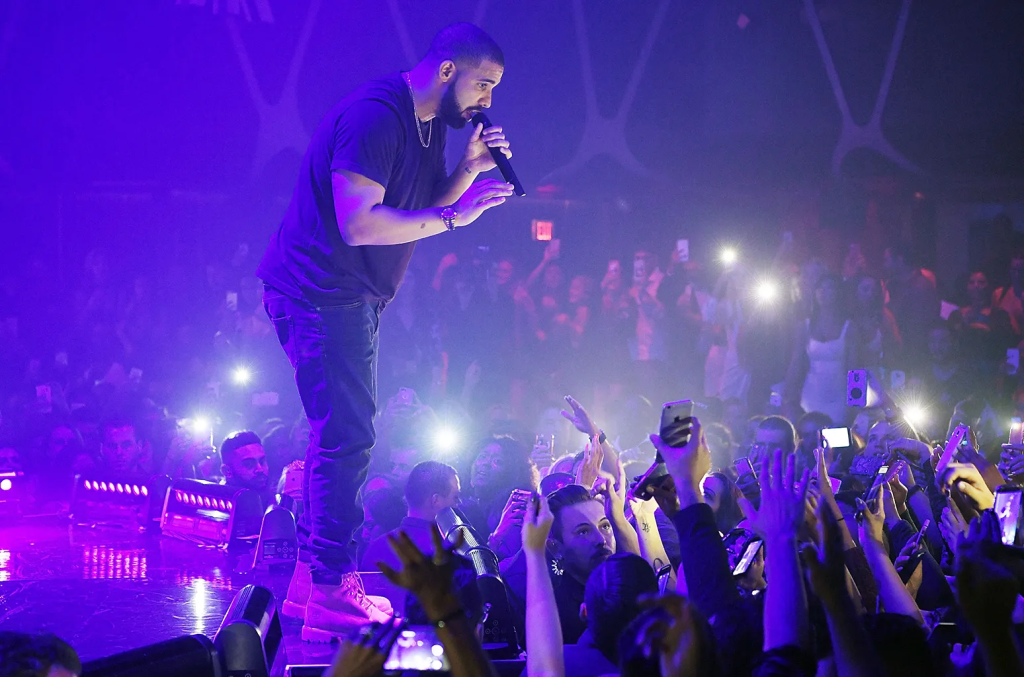
Drake’s music is ubiquitous among Torontonians. His anthems tell the story of a fanbase that transcends class, united through our unique culture and the city we call home. Yet, only a small fraction of that fanbase can now afford to see their hero in concert. 35,000 fans occupied Scotiabank Arena on the nights of October 6th and 7th, shelling out between $700 to $6,000 to witness our city’s most iconic artist complete his tour at home. These exorbitant prices have become the norm, thereby forcing music lovers to make a difficult sacrifice. For fans around the world, the concert experience has grown from pricey but still within reach, to completely unattainable. While one might instinctively blame the artists, the real culprit is a corporate behemoth frankensteined together through the merger of two titans of the live event industry.
Livenation and Ticketmaster are, respectively, the world’s foremost event promoter and ticket retailer. Livenation manages hundreds of artists, venue bookings, and live event promotions, while Ticketmaster controls the ticketing services. In early 2010, a merger was proposed between the two giants: an entity that would be known as Livenation Entertainment (LNE). A merger between the dominant forces in both halves of any given industry raises many red flags. If this merger were allowed to happen, it would give a single corporation the ability to monopolize the entire live event industry. Luckily, world governments saw the signs and acted. The merger was quickly put under review by the US Department of Justice and was allowed to proceed under certain conditions, namely that Livenation could not threaten or retaliate against a venue for using a ticketing service other than Ticketmaster.
Over the next nine years, LNE did exactly the opposite. The corporation threatened to bar all Livenation artists from performing at any concert venue that didn’t sign an exclusivity clause with Ticketmaster. Under the threat of losing most of their business, the venues caved, gaining Ticketmaster exclusive ticketing rights to over 80% of the largest venues in the United States. As the autocracy grew, so did ticket prices—by over 250%. Artists, venues, and fans alike lost control over ticket prices and LNE’s fees. Despite a guilty finding in a government investigation of their breach of the agreement in 2019, live event ticket prices continued to double over the next four years, from an average of $125 to over $250 in 2023.
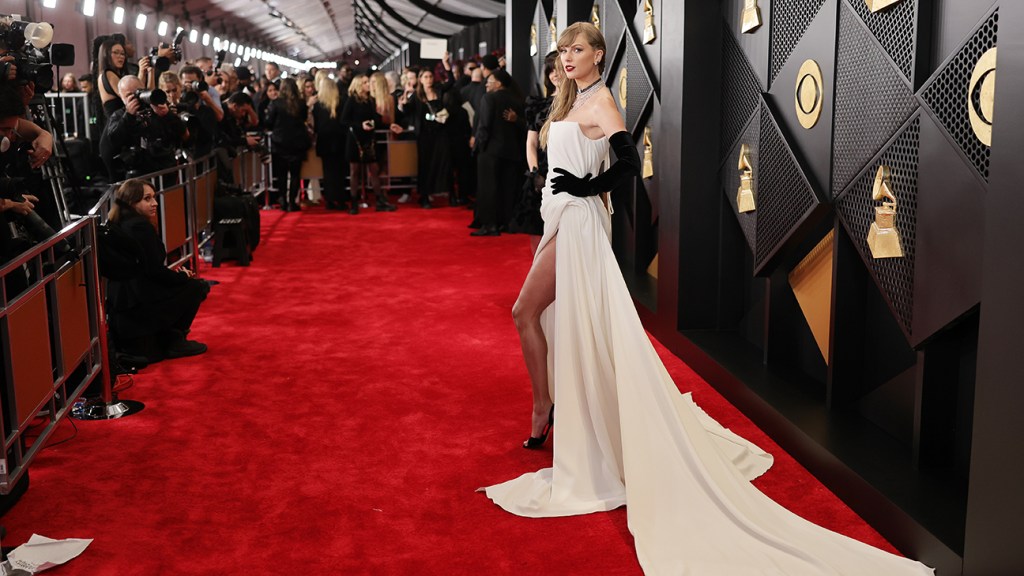
As LNE continues to claw away at its competitors’ market share and inflate ticket prices, it has become increasingly clear that world governments should have blocked this deal. As a monopoly does, LNE has cheated every party involved—not just fans, but the artists and venues too. Even if it is too late to undo the billions of dollars in exploitative damage over the past thirteen years, world governments maintain the grounds and the ability to remedy this issue. This company should be broken back up into separate entities, or at the very least, should have their exclusivity contracts with venues voided, allowing for real competition to flourish in the industry and for ticket prices to drop. With the US government now investigating LNE for the third time following the Taylor Swift debacle, one can only hope that next time around, the other half of Toronto will once again be able to see Drake in their hometown.





 The Richview Voice
Leave a comment